
The Edit · Founder Insights
Postnatal Core and Pelvic Floor in Singapore: Physio and Strength
Postnatal recovery in Singapore: pelvic-floor physiotherapy first to screen diastasis and dysfunction, then progressive strength to rebuild. When you need each.
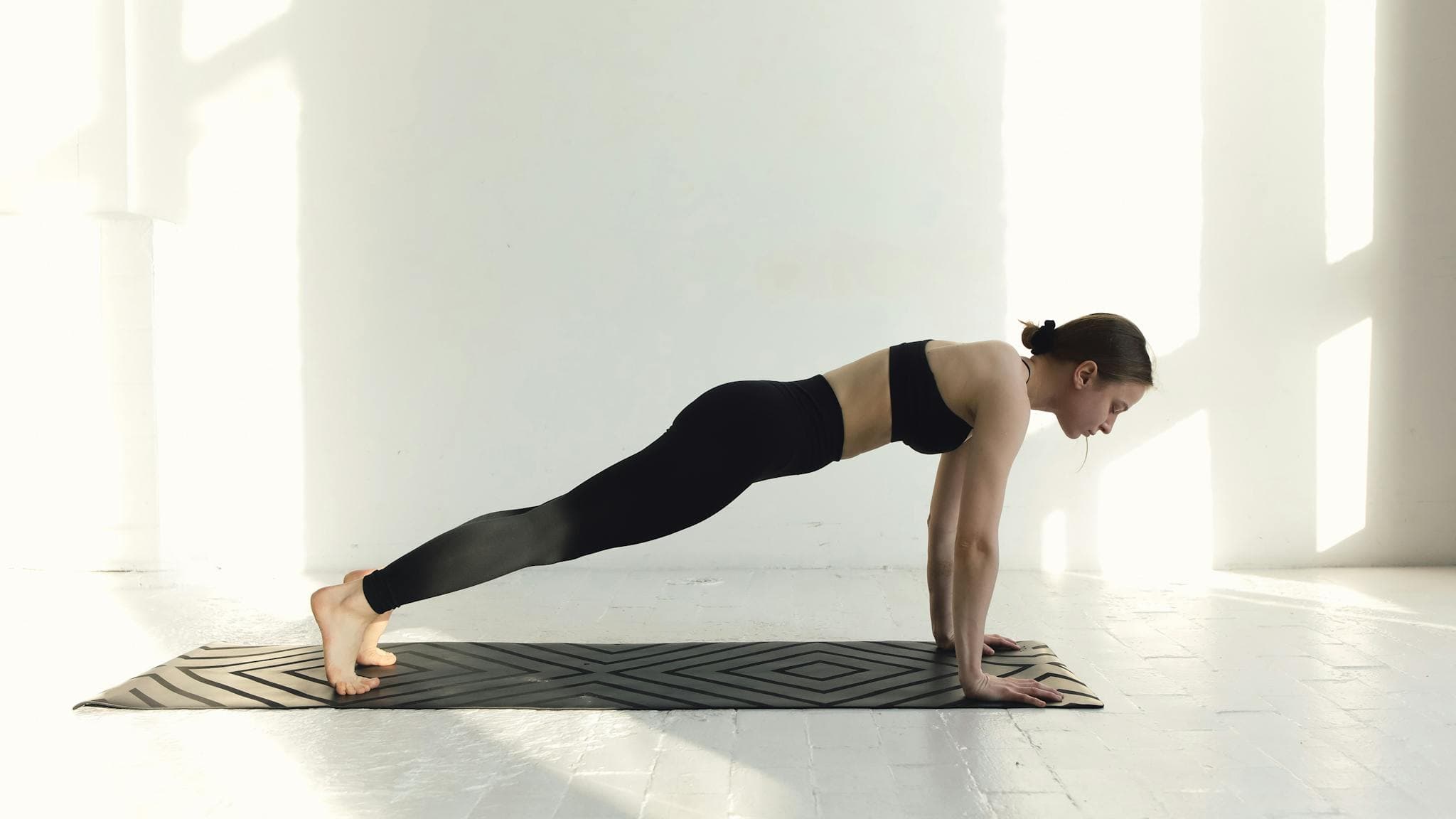
Postnatal recovery has an order to it. For most women the sequence is pelvic-floor physiotherapy first, to screen and rehabilitate any pelvic-floor dysfunction and diastasis recti, then progressive strength to rebuild the capacity that pregnancy and delivery took. The two are complements, not rivals. The physiotherapist assesses and treats the dysfunction; the strength coach loads the recovered tissue back to where life, and lifting a growing toddler, demands. This post sets out when you need each, when you need both, and why doing them in the right order matters.
TL;DR
- Supervised pelvic-floor muscle training started early in pregnancy lowers the risk of urinary incontinence into late pregnancy and the postpartum period, which is why pelvic-floor screening with a physiotherapist is the sensible first step, not generic self-directed Kegels.
- Diastasis recti needs an individual physiotherapy assessment, not a one-size ab routine. The evidence for any single exercise programme curing it is weak, so the work has to be graded to the person.
- Exercise can be resumed gradually after pregnancy once you are medically cleared, individualised to whether you delivered vaginally or by caesarean and to any complications.
- Progressive resistance training across the perinatal period is associated with real maternal benefits and no adverse pregnancy, delivery, fetal, or pelvic-floor outcomes. It is a safe, beneficial second phase once cleared.
- Strength is the rebuild, not the screen. Catalyst is the second half of this pathway: we coach the progressive loading after a women's-health physiotherapist has cleared the pelvic floor and abdominal wall.
The recovery sequence
Pregnancy and delivery change two structures that matter for almost every movement: the pelvic floor and the abdominal wall. Both can be assessed, and both can recover, but they recover better when the dysfunction is identified before load is added on top of it. That is the whole argument for sequencing. A screen first tells you what you are working with; loading first risks reinforcing a compensation around a problem nobody measured.
This is a complement-not-replace position, and I want to be plain about it. A strength coach is not the right person to assess your pelvic floor or to diagnose a diastasis. A women's-health physiotherapist is. What a strength coach is the right person for is the rebuild that comes after, taking the tissue a physiotherapist has cleared and progressively loading it back to the demands of carrying a child, returning to work, and training again. The order is physiotherapy to screen and rehabilitate, then strength to rebuild.
Pelvic-floor physiotherapy first
The pelvic floor is the sling of muscle that supports the bladder, bowel, and uterus, and it is loaded heavily through pregnancy and delivery. Pelvic-floor muscle training is the evidence-backed intervention here, but the detail is what justifies seeing a physiotherapist rather than reading a Kegel guide. A Cochrane review found that structured pelvic-floor muscle training started in early pregnancy reduces the risk of urinary incontinence in late pregnancy and the postpartum period, while its value as a treatment for incontinence already present, and population-wide postnatal training, is less certain (Woodley and colleagues, 2020). The prenatal half of the story, what to train before the birth, is covered in yoga, Pilates or strength through each trimester.
Read that carefully, because it is the case for screening. The benefit is clearest when the training is structured and started early, and the picture is murkier for generic, unsupervised training after the fact. A physiotherapist can confirm you are recruiting the right muscles, in the right direction, with the right effort, which a self-directed programme often gets wrong. That is the difference between a supervised pelvic-floor assessment and guessing at Kegels from a phone.
Screen first, load second. You cannot coach strength around a pelvic floor nobody has measured.
Diastasis recti, and why it needs an individual assessment
Diastasis recti abdominis is a widening of the gap between the two halves of the rectus abdominis along the midline. It is common after pregnancy and it is exactly the kind of finding that benefits from a hands-on physiotherapy assessment rather than a downloaded ab routine. The reason is the evidence: a systematic review with meta-analysis found that the quality of evidence for specific exercise programmes to treat postpartum diastasis is very low, with abdominal and pelvic-floor training showing only modest and uncertain effects (Gluppe, Engh, and Bo, 2021).
What that means in practice is that there is no magic protocol. The work has to be graded to the individual, which is why a physiotherapist measures the gap, checks how the abdominal wall generates tension, and builds from there, rather than prescribing the same crunches to everyone. The same individualisation logic carries into the strength phase: a diastasis or a weak pelvic floor calls for specific modifications to how you load, not avoidance of training altogether. Screen, modify, then load.
When strength enters
Once you are medically cleared, exercise can be resumed gradually after pregnancy, individualised to your mode of delivery and any complications. The American College of Obstetricians and Gynecologists states that physical activity in pregnancy and the postpartum period is safe and desirable for most women, and that activity can be resumed gradually once it is medically safe to do so (ACOG, 2020). A vaginal delivery and an uncomplicated caesarean do not follow the same timeline, which is one more reason the clearance conversation belongs with your GP, OB-GYN, or physiotherapist, not with a generic six-week rule.
The reassuring part is what the strength evidence shows once you are cleared. A 2025 systematic review and meta-analysis found that resistance training in the perinatal period, alone or combined with other exercise, is associated with significant maternal health benefits, including lower risk of gestational hypertension, gestational diabetes, and mood disorders, without adverse pregnancy, delivery, fetal, or pelvic-floor outcomes (Prevett and colleagues, 2025). Progressive strength is not the risk in this pathway; skipping the rebuild is.
So the graded return looks like this. Get cleared. Have a women's-health physiotherapist screen the pelvic floor and abdominal wall and start any rehabilitation they prescribe. Then add progressive resistance training, modified for any diastasis or pelvic-floor dysfunction the screen flagged, and build load over months, not weeks. At Catalyst this is the post-pregnancy strength pathway, and it is deliberately the back half of a longer recovery, run alongside your medical clearance.
Where to get pelvic-floor physiotherapy in Singapore
Because the screen comes first, it is worth knowing where to get it. Several Singapore clinics run dedicated women's-health and pelvic-floor physiotherapy services covering postpartum recovery, diastasis recti, and urinary incontinence. Orchard Clinic offers women's-health physiotherapy across Orchard Road and Parkway Parade, covering postpartum recovery, pelvic-floor health, diastasis recti, and urinary incontinence. PhysioActive runs a women's-health service line including pelvic-floor rehabilitation and posture and core retraining, with clinics in Orchard and Jurong.
Two more worth knowing. Reiwa Health provides pelvic-floor physiotherapy for postpartum recovery and caesarean rehabilitation. PSC Women and Children offers women's-health physiotherapy including post-natal diastasis recti treatment. I name these as genuine starting points for the screen, not as a ranking; the right clinic is the one whose location and approach fit you, and the point is to get assessed by a women's-health physiotherapist before you load.
How both halves fit together
Here is the handover in plain terms. The physiotherapist owns the screen and the rehabilitation: they assess the pelvic floor and abdominal wall, treat any dysfunction, and tell you what to modify. We own the rebuild: once you are cleared and screened, we coach progressive strength that respects those modifications and takes you back to full capacity. Neither replaces the other, and the order runs physiotherapy first, strength second.
If you are still working through the rehabilitation stage, stay with your physiotherapist; that is the right place to be. When you are cleared and ready to rebuild, our post-natal personal training in the CBD is built for exactly this handover, and for clients returning from a longer rehabilitation cycle, our injury rehabilitation service is the bridge between physio and full strength. Done in the right order, you get both halves: a pelvic floor and abdominal wall that have been properly screened, and the strength to carry the years ahead.
Frequently asked questions
Q. Should I see a pelvic-floor physiotherapist before strength training after birth?
For most women, yes. A women's-health physiotherapist screens the pelvic floor and abdominal wall for dysfunction and diastasis recti, then prescribes any rehabilitation needed. Supervised pelvic-floor muscle training has better evidence than generic self-directed Kegels, and a screen tells your strength coach what to modify. The sequence is physiotherapy first to assess and rehabilitate, then progressive strength to rebuild, once you are medically cleared.
Q. Is strength training safe after pregnancy?
Once you are medically cleared, yes. ACOG states that physical activity in the postpartum period is safe and desirable for most women and can be resumed gradually. A 2025 meta-analysis found resistance training across the perinatal period is associated with maternal benefits and no adverse pregnancy, delivery, fetal, or pelvic-floor outcomes. The caveats are clearance individualised to your mode of delivery, and modifications for any diastasis or pelvic-floor dysfunction a physiotherapist flagged.
Q. Can exercise fix diastasis recti?
The honest answer is that the evidence is weak for any single exercise programme. A systematic review found very low quality evidence that specific abdominal and pelvic-floor exercise programmes treat postpartum diastasis, with only modest, uncertain effects. That is precisely why diastasis needs an individual physiotherapy assessment rather than a generic ab routine, with strength work then graded and modified to your abdominal wall, not prescribed off a template.
Q. How long after birth before I can start strength training?
There is no universal number, because it depends on your mode of delivery and any complications. ACOG advises resuming exercise gradually once it is medically safe, individualised to you. A vaginal delivery and a caesarean do not share a timeline. Get clearance from your GP, OB-GYN, or physiotherapist, complete any pelvic-floor and diastasis screening first, then begin progressive strength and build load over months.
Citations
Woodley, S. J., Lawrenson, P., Boyle, R., Cody, J. D., Morkved, S., Kernohan, A., & Hay-Smith, E. J. C. (2020). Pelvic floor muscle training for preventing and treating urinary and faecal incontinence in antenatal and postnatal women. Cochrane Database of Systematic Reviews, 5(5), CD007471. pubmed.ncbi.nlm.nih.gov
Gluppe, S., Engh, M. E., & Bo, K. (2021). What is the evidence for abdominal and pelvic floor muscle training to treat diastasis recti abdominis postpartum? A systematic review with meta-analysis. Brazilian Journal of Physical Therapy, 25(6), 664-675. pmc.ncbi.nlm.nih.gov
American College of Obstetricians and Gynecologists. (2020). Physical Activity and Exercise During Pregnancy and the Postpartum Period: ACOG Committee Opinion, Number 804. Obstetrics & Gynecology, 135(4), e178-e188. pubmed.ncbi.nlm.nih.gov
Prevett, C., Gingerich, J., Sivak, A., & Davenport, M. H. (2025). Resistance training in pregnancy: systematic review and meta-analysis of pregnancy, delivery, fetal and pelvic floor outcomes and call to action. British Journal of Sports Medicine, 59(16), 1173-1182. pubmed.ncbi.nlm.nih.gov