The Edit · Founder Insights
The Closed-Loop Recovery Method: Why Integrating Training Data with Manual Therapy Beats Independent Sessions
A closed-loop recovery method links wearable data (Whoop, Garmin, Oura, Apple Watch) and training logs to the manual therapy session, then feeds the session findings back into the next training block. Here is why this differs from independent sports massage in Singapore, what the loop actually measures, and how Catalyst implements it.
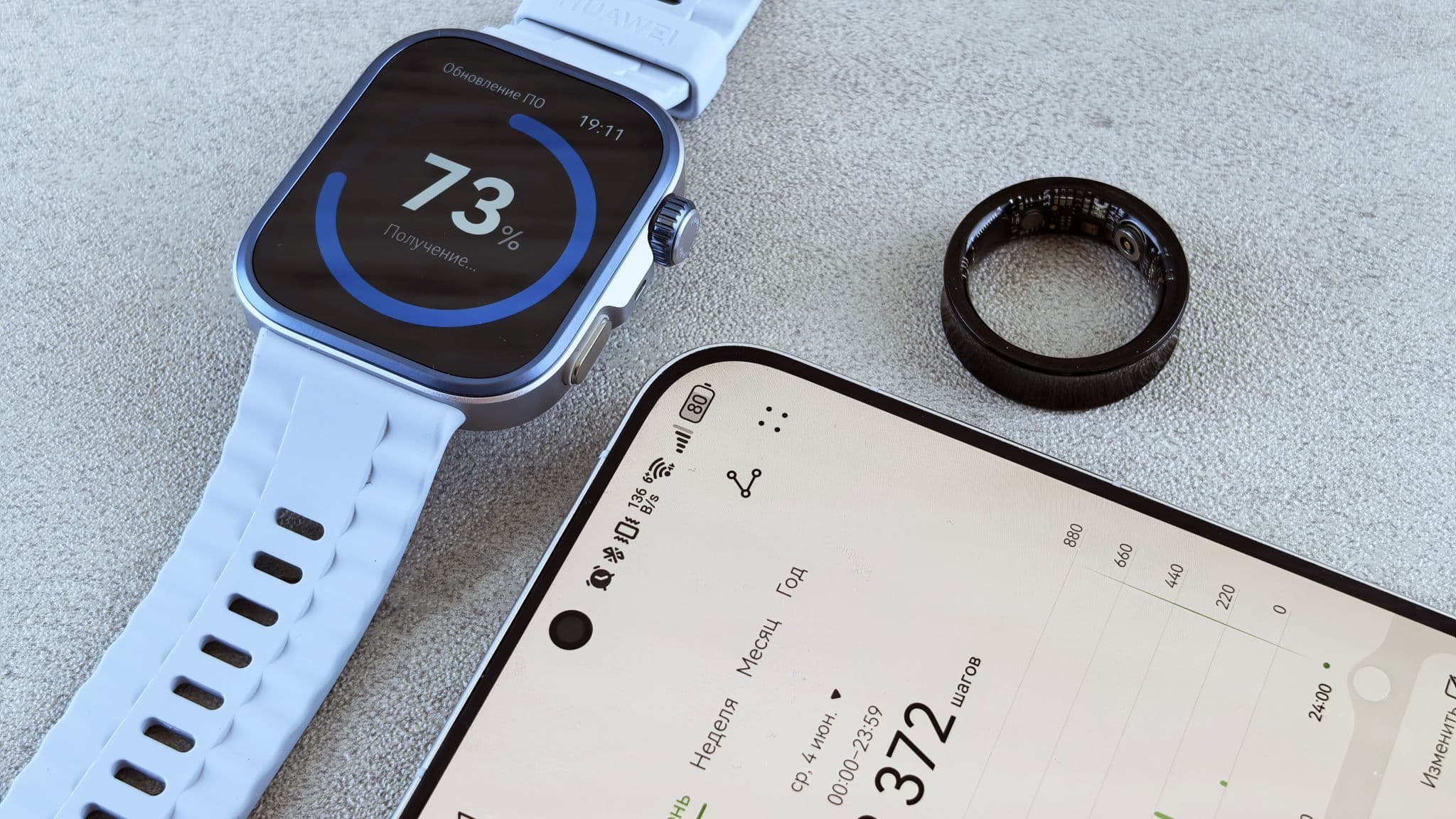
A closed-loop recovery method is a structural design choice, not a feature. The training data (loads lifted, volumes accumulated, mileage logged) and the wearable recovery data (heart rate variability, resting heart rate, sleep, respiratory rate, training load) feed into the manual therapy session before it begins. The session prioritises the tissues and patterns that the data is flagging, not whatever the client happens to report in the first thirty seconds on the table. The session findings then feed back into the next training block: what to load harder, what to deload, where to add a corrective drill, when the next assessment should happen. The loop closes because the people on both sides (the trainer who programmes and the soft-tissue practitioner who treats) read the same data on the same software, and the data sources are continuous (the wearable streams, the training log updates) rather than reconstructed from the client's verbal report each session. This is the structural rarity in Singapore's sports-massage market, where the dominant model is independent hourly bookings between a client and a practitioner who does not see the training and is not consulted by whoever writes the programme. The independent model is not wrong. It is incomplete. It treats whatever shows up on the table that day; it cannot prevent the pattern that put the tissue there in the first place.
TL;DR
- A closed-loop recovery method connects training data, wearable recovery data, and the manual therapy session into one continuous decision frame, then feeds session findings back into the next training block. The same trainer-practitioner team reads the same data on the same platform.
- Independent sports massage in Singapore (the dominant business model) is structurally an open loop. The practitioner reconstructs the picture from the client's verbal report each session and has no view of the training programme or the wearable data. Outcomes can still be good. They cannot be programmatic.
- The four wearable categories most useful for the loop are HRV trend (autonomic recovery), resting heart rate trend (cumulative training load), sleep efficiency and duration (the recovery substrate), and platform-specific training load scores (Whoop strain, Garmin training load, Oura readiness, Apple Watch cardio recovery). No single metric is decisive; the trend over 7-14 days is the signal.
- Catalyst's implementation uses the 4-Pillar Healthspan Assessment at intake as the baseline, Hafiz Adnan's NKT and NCBTMB-certified soft-tissue practice as the treatment surface, and a 16-week Checkpoint cadence that re-measures the four pillars and compares against the wearable trend.
- Limitations are real. Wearable data is signal, not gospel: consumer-grade HRV and sleep readings carry meaningful noise. The practitioner's judgement remains load-bearing. The loop adds context to the judgement; it does not replace it.
Quick-reference table
| Dimension | Independent sports massage (open loop) | Closed-loop method (Catalyst) |
|---|---|---|
| Data sources before session | Client's verbal report on the day | Continuous wearable streams (HRV, RHR, sleep, training load), training log, assessment baselines |
| Decision basis for session focus | "Where does it hurt today?" | Where the data flags load accumulation, autonomic stress, or pattern asymmetry, cross-referenced with what the client reports |
| Session frequency rationale | Hourly booking calendar, client's perceived need | Programmed against training-block phase (intensification, deload, taper, off-season) and recovery-trend reads |
| Outcome tracking | Subjective ("felt better after") | Re-measured at 16-week Checkpoints across all four pillars, plus continuous wearable-trend monitoring |
| Programme adjustment | None. The practitioner does not write the programme | Session findings feed directly into the next training block via shared notes between Hafiz and the founder-coaches |
| Practitioner-trainer communication | Client carries (or does not carry) the information | Shared notes system; both sides read the same data |
| Treatment trajectory | Indefinite maintenance | Treatment to graduation for a specific pattern, then a maintenance cadence calibrated against the recovery trend |
The hardest part of recovery is not the treatment. The hardest part is the decision that gets made before the treatment, when the practitioner and the client agree on what to work on for the next sixty minutes. In an open-loop model, that decision is made from the client's verbal report on the day. The practitioner asks "where does it hurt?" or "what feels tight?" and the client answers from whatever sensation is most salient in the moment. Both are competent contributors. Neither has access to the full picture of what happened across the previous training week, what the autonomic nervous system is doing on the morning of the session, or what pattern the body has been settling into across the last training block.
In a closed-loop model, that decision is informed by data that exists independently of how the client feels in the first minute on the table. The previous week's training log says the posterior chain was loaded heavily on Tuesday and again on Friday. The wearable says HRV trended down 12% across the week and recovered only partially by Saturday. The last Checkpoint assessment said the right gluteus medius was the bilateral asymmetry that needed work. Three independent signals point at the same set of tissues and patterns. The session focuses there before the client says a word, and the session ends with notes that update the training-side decisions for next week.
We coach this loop from inside the studio at Catalyst. Hafiz Adnan, the soft-tissue practitioner, is listed in the NKT International Directory and board-certified by the NCBTMB in deep tissue, IASTM, trigger-point work, and cupping. He reads the wearable recovery data and the training log on shared software before he treats. The trainers (Bervin Manoharan, Dr Luqman Haris, and the rest of the team) read his session notes when they write the next training block. The platform that makes the loop possible is not a piece of software; it is the structural decision to operate one studio under one decision frame, instead of treating recovery as a service the client buys separately from a different practitioner in a different building. The post below covers what the loop measures, how it changes session planning, where it is structurally rare in Singapore, and how a Catalyst member or any reader can get the first half of the benefit even before they join. For the broader frame on what NKT adds that generic massage and foam rolling do not, the cluster pillar is Sports Massage Singapore: What NKT Adds That Foam Rolling Doesn't.
1. What a closed-loop recovery method actually is
The technical definition is borrowed from control systems engineering. A closed-loop control system measures the state of the system, compares it to the desired state, and feeds the difference back into the next control input. An open-loop control system applies the control input without measuring the state. A thermostat is a closed-loop system (it measures room temperature and feeds it back to the heater); a microwave timer is an open-loop system (it cooks for the duration set, regardless of whether the food is hot).
Translated to recovery: the closed-loop method measures the state of the athlete (training load accumulated, autonomic recovery, sleep architecture, movement-pattern asymmetry), compares it to the desired state (recoverable, primed for the next stimulus, pattern symmetric), and feeds the difference back into the next decision (what to load, what to deload, what to treat, what to leave). The session is one input into the system. The training block is another. The wearable stream is the continuous state measurement. The Checkpoint assessment is the periodic state measurement. The trainer and the practitioner are the controllers who read the state and decide the next input.
An open-loop recovery method is the standard model in most of the Singapore market: the client books a sports massage on a Saturday at 4pm because they feel they need one. The practitioner treats whatever shows up. There is no measurement of state before the session, no comparison to a target, and no feedback into the next training block. The client may have had an excellent week or a terrible week; the session is the same either way. The practitioner may have done outstanding work; nothing about the work updates next week's training. This is not a criticism of the practitioner. It is a criticism of the structure they are operating inside.
The closed loop is not a feature you can add to an open-loop model. It is a different operating structure. The trainer and the practitioner have to share data, share notes, and share decision frames. The client has to be a member of one studio rather than a customer of two separate businesses. The wearable data has to flow from the client's device to a place both the trainer and the practitioner can read. The training programme has to be written with the recovery sessions as part of it, not parallel to it.
Bonus insight: the closed-loop frame is well established in elite sports settings. National-level Olympic and professional teams have been operating closed-loop recovery programmes for over a decade, with full-time sports scientists managing the data flow between coaches and medical staff. What is changing in 2026 is that consumer wearables (Whoop, Garmin, Oura, Apple Watch) now collect enough of the same data that a small private studio can operate a credible closed loop for a paying member, where ten years ago it required a national sports institute. The democratisation of the data is what makes the model accessible to a Catalyst member.
2. What wearables genuinely measure and what they don't
Four categories of wearable signal are useful for the closed loop, and each has a known accuracy envelope. The peer-reviewed literature is honest about both.
Heart rate variability (HRV) measures the beat-to-beat variation in the heart's interval, which reflects the balance between sympathetic ("fight or flight") and parasympathetic ("rest and digest") branches of the autonomic nervous system. Higher overnight HRV trends correlate with better recovery; downward HRV trends correlate with accumulated training load, illness, or psychological stress (Plews et al. 2013, Sports Medicine). The trend across 7-14 days is the signal; a single morning's HRV reading is too noisy to act on. Consumer wearables vary in accuracy: Whoop and Oura (which use overnight photoplethysmography sampling) have validation studies showing reasonable agreement with research-grade ECG within their reporting range, with caveats for irregular sleep patterns and high body fat percentages (Bellenger et al. 2016, Sports Medicine).
Resting heart rate (RHR) is the simplest and most reliable wearable metric. A trended upward shift of 5-10 beats per minute over baseline across a week reliably signals incomplete recovery, illness onset, or accumulated training stress. The signal is robust across Apple Watch, Garmin, Whoop, Oura, and Fitbit. Single-night spikes are common after alcohol, a heavy late dinner, or a poor sleep, and should be discounted; the moving average over 7-10 days is what matters.
Sleep duration and efficiency are the substrate the recovery sits on. The Halson 2014 review in Sports Medicine on monitoring training load and recovery established that sleep is the single most consistently identified predictor of recovery quality across athlete populations. Wearable sleep tracking is imperfect (consumer devices overestimate total sleep time by 15-30 minutes on average and have known inaccuracies in distinguishing REM from light sleep), but the trend in total sleep time and the trend in sleep efficiency (time asleep divided by time in bed) are reliable enough to act on. A run of nights below 6 hours total or below 80% efficiency is a flag regardless of which device is reporting it.
Platform-specific training load scores are the most variable. Whoop calculates a daily strain score from continuous heart rate; Garmin produces a training load value from session-by-session calculation; Oura produces a readiness score that combines HRV, sleep, RHR, and activity; Apple Watch uses cardio recovery and exercise minutes. None of these is comparable across platforms. The Bourdon et al. 2017 monitoring-training-load consensus statement in International Journal of Sports Physiology and Performance is the canonical paper on this category and recommends using whichever score your wearable provides consistently, while remembering that the score is a derived composite, not a direct measurement. The trend in the score over a training block is more informative than the absolute value on any one day.
Wearables do not measure tissue quality, muscle compensation patterns, joint range of motion, or fascial restriction. The wearable tells the practitioner what the autonomic system, training load, and sleep are doing. The practitioner's hands tell the practitioner what the tissue is doing. Both are necessary; neither substitutes for the other. The closed loop combines them; the open loop has only the second.
Bonus insight: the most useful single number a Catalyst member can give Hafiz before a session is their 7-day HRV trend (up or down vs the previous 7 days) and their sleep efficiency average for the same period. These two numbers take 30 seconds to look up on the wearable app and change the session focus more reliably than any other single piece of pre-session information.
3. How wearable data feeds Hafiz's session planning
The data does not write the session plan. Hafiz writes it. The data changes what he asks about, where he palpates first, and how aggressive the treatment pressure can be in the early minutes of the session.
A downward HRV trend across the previous week signals an autonomic system that is under load. The session opens with more passive, parasympathetic-engaging work (slower paced soft-tissue release on the diaphragm, suboccipitals, and upper traps; cupping with longer dwell times rather than active myofascial release) before any aggressive trigger-point work. A high-intensity NKT-style session into a sympathetically dominant autonomic state can drive cortisol up further and reduce the session's net recovery benefit. The data-informed adjustment is real and is the kind of decision an open-loop practitioner cannot make because they do not have the autonomic context.
A specific high-load training day in the previous 48 hours (a heavy posterior chain session, a long run, a HYROX-style hybrid session) tells Hafiz which muscle groups are most likely to need attention before he palpates. A Tuesday deadlift session means the lumbar erectors, gluteus maximus, hamstrings, and adductor magnus get assessed for facilitation status first. A Wednesday long run means the calves, soleus, gluteus medius, and quadriceps get assessed first. The independent practitioner without the training log will get to the same tissues eventually, but they spend the first 15 minutes of the session asking and palpating to find them; the closed-loop practitioner spends the first 15 minutes treating because the assessment is largely done.
A specific previous-Checkpoint asymmetry changes the post-treatment movement test. If the last 4-Pillar Assessment flagged a right gluteus medius weakness on the Y-Balance Test, Hafiz tests that muscle's facilitation status as a primary objective of the session and retests at the end. The session's success is not just "the client feels looser"; it is "the gluteus medius now holds against resistance it failed against six weeks ago." The Y-Balance result and the assessment data give the practitioner an objective target. The retest gives the trainer an updated input for next week's programming.
The wearable's sleep data for the previous night changes the treatment intensity ceiling. A session after a night of 4 hours of poor-efficiency sleep is not the time for maximum-effort NKT reactivation drills; the client's neuromuscular system is not in a state to consolidate the change. Hafiz will deliver the diagnostic and release work but defer the most demanding reactivation drills to the next session when the substrate is better. This decision is invisible to the client (the session feels normal) and impossible without the data.
The reading of the data is not a checklist. It is a clinician's craft. Hafiz has trained for over a decade in the manual therapy practice; the data layer is one extra input into a decision frame that has many inputs. What changes is the quality and structure of the decision, not the act of treating.
Bonus insight: clients sometimes worry that bringing wearable data into the session "medicalises" what they thought was a recovery hour. In practice the data conversation takes about 90 seconds at the start of the session and informs the next 58 minutes. The client experiences the session as more targeted, not more clinical. The data does not make the session feel like a doctor's visit; it makes the session feel like the practitioner already knows them.
4. Why this is structurally rare in Singapore
The dominant business model for sports massage in Singapore is independent hourly bookings. A practitioner rents a treatment room, builds a client list, and books sixty-minute sessions through a calendar app. The rate is per session; the engagement is per session; the relationship resets each session unless the practitioner takes private notes between visits. The structural ceiling on this model is the quality of the verbal report the client gives in the first ninety seconds.
There are good practitioners operating inside this model. The problem is not them; it is the model. An independent practitioner has no access to their client's training programme because they did not write it. They have no access to the wearable data unless the client volunteers it (and few do, because the client is not sure which numbers matter). They have no objective baseline against which to measure the session's outcome. They have no feedback channel into next week's training because there is no shared platform with whoever wrote the training plan. The session is excellent in isolation and disconnected from everything else the client does that week.
The integrated model (one studio, one decision frame, soft-tissue practitioner and trainers on the same data platform) is structurally rare in this market because most operators are individuals, not businesses with a service-mix decision to make. An independent practitioner cannot unilaterally integrate with a separate training studio; the data sharing and the notes-sharing require both sides to be willing and the client to be on both rosters. The few Singapore studios that operate something resembling a closed loop are integrated private studios with a trainer team, a soft-tissue practitioner, and shared data infrastructure under one roof. There are a handful of integrated private studios in the Singapore CBD that approximate this model; the practical detail is that the loop only works when the trainer and the practitioner are reading the same data, not when they are nominally in the same building but actually operating two separate businesses.
For the curious reader: the cleanest way to test whether a Singapore studio is operating a real closed loop is to ask the question "if my Whoop or Oura data flags a downward HRV trend across the next two weeks, what changes about my next training session and my next soft-tissue session?" An open-loop operator will give you a thoughtful answer about general principles. A closed-loop operator will tell you which specific protocols change, who decides, and where the decision is recorded. The specificity is the signal.
We do not name competitors in this market; we will not pretend Catalyst is the only studio in Singapore that operates this way. We will say that the model is structurally rare for the reasons above, and that the question of which studios actually operate a closed loop vs which ones describe one in marketing is one the reader has to answer in conversation with the specific operator. The four-signal vetting frame for sports massage practitioners that we cover in the cluster pillar applies here too: ask for the practitioner's specific data-handling workflow, ask which platform the notes live on, ask how the training side sees them. For the broader vetting frame, the cluster pillar covers it in detail.
Bonus insight: the closed-loop model is more common in physiotherapy practices integrated with sports-medicine clinics than it is in standalone sports-massage practices. If you are already working with a physio in a sports-medicine setting and they are coordinating with your trainer or strength coach, you may already have a partial closed loop. The Catalyst version differs in that the soft-tissue practitioner and the trainers share a single facility and a single decision frame from day one; the physio-trainer integration is more often two separate practices in coordination rather than one team. Both can work; the latter has less coordination overhead. For the broader physio-vs-NKT decision frame, NKT vs Physiotherapy in Singapore is the canonical guide.
5. Three archetypal scenarios where the closed loop changes the outcome
The scenarios below are category-level patterns we recognise repeatedly across Catalyst's intake population, not specific cases tied to specific members. They illustrate where the closed loop produces a different decision than an open-loop session would.
Scenario one: the executive whose HRV is trending down before a planned deload week. Consider a typical pattern. A senior professional has been training four times a week for ten weeks in a strength block. The training has progressed well; loads are up, body composition is moving. In week ten, the wearable shows HRV trending down 15% week-over-week, RHR up 4-6 bpm above baseline, and sleep efficiency falling below 80% on three of the last five nights. The client feels "a bit run down" but is not yet symptomatic; they are still committed to the planned deload in week 12. In an open-loop model, the next soft-tissue session is whatever the client says they need: probably general decompression because they feel tight. In the closed loop, Hafiz reads the autonomic data before the session, opens with parasympathetic-prioritising work, and the trainer brings the deload forward to week 11 instead of week 12 because the data says the body is asking for it now. The avoided outcome: the illness or strain injury that would have arrived in week 11 if the deload had stayed scheduled for week 12. The data and the session findings together produced a decision neither could have produced alone.
Scenario two: the runner whose Heart Rate Recovery has plateaued for six weeks despite increasing mileage. A different pattern. A runner training for a half marathon has been increasing weekly mileage according to a sensible progression. In weeks 6-12 of the block, the wearable shows weekly mileage up 30%, but Heart Rate Recovery at 60 seconds post-effort has plateaued at the same value. The conventional read is "aerobic capacity is not improving despite more work." The closed-loop read, with the trainer and the practitioner looking at the data together, is more specific: the gluteus medius asymmetry flagged at the last Y-Balance Checkpoint is still present, which means the runner's posterior chain is compensating under fatigue, which is capping the aerobic stimulus the system can actually absorb. The session focus shifts: NKT to address the medius inhibition, strength-side adjustments to add single-leg hip-stabiliser work, and a re-measurement in four weeks. The HRR begins to move within six weeks because the bottleneck was not aerobic; it was mechanical compensation under load. We cover the HRR-vs-wearable interpretation in detail in Heart Rate Recovery vs Apple Watch. For the specific compensatory pattern that drives runner's knee in a related case, Runner's Knee in Singapore covers it in detail.
Scenario three: the post-physio member whose pain has resolved but whose pattern has not. A third pattern. A client comes to Catalyst after completing a course of physiotherapy for chronic lower back pain. The acute pain is gone; the structural concerns have been cleared. The physiotherapy discharge was clean. The wearable data shows nothing remarkable. The 4-Pillar Assessment, however, flags a stability asymmetry on the Y-Balance Test and a strength deficit in the right gluteus maximus relative to the left. In an open-loop sports-massage model, the client would likely book a generic recovery massage and continue with whatever training they were doing. In the closed loop, the asymmetry data routes the client to Hafiz for NKT release-and-reactivate work on the inhibited glute, combined with strength-side programming targeting the same muscle group. Six weeks later the Checkpoint shows the asymmetry has closed and the pattern is no longer present. The avoided outcome: the recurrence of the lower back pain six to twelve months later because the underlying pattern was never resolved.
What these three scenarios share is structural, not anecdotal: in each one, the closed loop produced a more specific and earlier intervention than the client's verbal report alone would have prompted. The data did not replace the practitioner's judgement; it gave the practitioner a sharper question to answer. The session was the same length; the work was different because the brief was different.
Bonus insight: the pattern is consistent enough that we now consider the absence of pre-session data the unusual case for new Catalyst members. Members who have arrived without a wearable typically pick one up within the first three months because the in-session experience makes the value of the data obvious. We do not require a wearable to train at Catalyst (see FAQ below), but most members converge on owning one within a programme.
6. The Catalyst implementation: 4-Pillar Assessment baselines and 16-week Checkpoints
The closed loop runs on three structural pieces at Catalyst. None of them is unique to us; the combination and the integration is.
The baseline measurement is the Catalyst Healthspan Assessment. Sixty minutes in studio, four pillars measured: Cardiorespiratory Fitness (the YMCA 3-minute step test, a safe sub-maximal proxy for VO2 max scored on Heart Rate Recovery), Stability (Y-Balance Test plus Functional Movement Screen elements), Strength (grip strength, single-leg movement pattern strength), and Body Composition (InBody analysis with skeletal muscle and visceral fat readings). The output is a Healthspan Score banded across five tiers, plus the specific sub-pillar reads that flag where the work needs to happen. Every Catalyst member starts here, including members whose primary goal is recovery support rather than performance. The baseline tells the trainer and the practitioner what the body is starting from. We use the YMCA step test rather than a true VO2 max treadmill protocol for safety reasons; the brand-canonical rationale is covered in our piece on Apple Watch VO2 max vs treadmill testing.
The continuous measurement is the wearable plus the training log. Members are encouraged to bring whichever wearable they already use; we do not specify a brand. The wearable's daily data is reviewed weekly by the trainer, and pre-session by Hafiz when there is a soft-tissue appointment booked. The training log is the shared document where loads, volumes, and session-quality notes accumulate. Both feed into the decision frame for the next session.
The periodic re-measurement is the 16-week Checkpoint. Every 16 weeks, the same 4-Pillar Assessment is repeated. The Checkpoint gives the trainer, the practitioner, and the member three data points to compare: where the body was at intake, where it is now, and what the wearable trend has been doing across the interval. The Checkpoint is also when significant programme adjustments are made: change of training emphasis, change of soft-tissue session cadence, change of recovery protocol intensity. The 16-week interval is short enough that the trend signal is strong and long enough that the work has time to produce a measurable change.
The closed loop is the joining of these three pieces. The baseline tells us where to start. The continuous data tells us what is happening between Checkpoints. The Checkpoint tells us whether the work is moving the body the way we predicted, and the next 16 weeks are programmed against the answer. The soft-tissue work, the strength work, and the recovery protocols all sit inside this frame; none of them is a separate service the member buys independently of the others. The frame is what makes the integration durable.
Bonus insight: the most underappreciated piece of this implementation is the Reset recovery protocols at Catalyst, which sit alongside the soft-tissue work as the lighter-touch maintenance layer. Reset sessions (mobility work, breathwork, structured passive recovery) are programmed against the recovery trend in the same way the NKT sessions are. A member with a stable HRV trend and clean assessment data may shift heavier into Reset and lighter on NKT for several weeks. The two are not substitutes; they are different tools in the same loop.
7. Limitations: data is signal, not gospel
The closed-loop method is not a panacea. Honest framing on what it does and does not do matters because the alternative (overclaiming the power of the wearable layer) is what most fitness-tech marketing already does and what we are explicitly not doing.
Wearable data has known noise. Consumer-grade HRV varies with the device, the sampling window, body fat percentage, hydration, alcohol the previous night, late dinners, position changes during sleep, and a dozen other factors. A single morning's HRV reading is not actionable; the 7-14 day trend is. A 5% week-over-week movement is inside the noise band for most consumer wearables; a 15% movement is signal. The practitioner has to read the data with the noise envelope in mind, not treat the number as gospel.
The practitioner's judgement is still load-bearing. The data tells Hafiz what the autonomic system and the training load are doing. It does not tell him what the tissue is doing. The palpation, the muscle testing, the movement assessment, and the clinical judgement that come from a decade of soft-tissue practice are the load-bearing inputs into the session. The data is a context layer, not a replacement layer. A studio that hands the data to an inexperienced practitioner and expects the data to produce a good session is misunderstanding the model.
The loop does not eliminate the need for physiotherapy or medical referral. The closed loop is a recovery and training model, not a medical-diagnostic system. When a member presents with mechanical features (clicking, locking, catching), neurological symptoms (radiating pain, numbness), or any of the categories covered in NKT vs Physiotherapy in Singapore, the referral pathway to physiotherapy or specialist medical care is the right first stop. The closed loop helps the recovery and training side; it does not replace the medical clearance side.
Data fatigue is real. Members who try to optimise every single wearable metric every single day burn out on the data within months. The practical use of the loop at Catalyst is the trend, not the individual day. We explicitly tell members to look at their wearable apps once or twice a week, not daily; the trainer and the practitioner are the ones who review the data more frequently, and they bring the relevant signals into the conversation when they matter.
Wearable sleep tracking is imperfect. Consumer sleep staging (light, deep, REM breakdown) has known accuracy limits; total sleep time and sleep efficiency are the more reliable signals. We do not make programme decisions from REM percentages alone. The Halson 2014 review covers the wearable accuracy literature in detail and is the canonical reference.
Loop quality scales with member engagement. A member who shares their wearable data, fills in the training log honestly, and shows up for the assessments gets the full benefit of the loop. A member who does the assessments but does not own a wearable still benefits from the assessment-side closed loop (the Checkpoint comparisons and the practitioner-trainer integration) but loses the continuous-data layer. The model is robust to partial participation; it is not robust to no participation.
Honest framing for the prospective member: the closed loop is a structural advantage, not a magic outcome. It produces measurably better recovery and earlier intervention than an open-loop model for the population that benefits. It does not produce miracles. It does produce a more consistent and more defensible decision frame than the alternative.
Bonus insight: the closed loop is not always the right answer for the prospective member's goal. A member training for a one-off event with a six-week timeline and no chronic recovery concerns may not benefit much from the data layer; the open-loop sports-massage approach plus a focused training block is sufficient for the timeline. The closed loop's value compounds over multi-block training: 16 weeks, 32 weeks, 64 weeks. If you are training across years rather than months, the loop is where the durable gains sit.
8. How to start a closed-loop with Catalyst even before joining
You can get the first half of the closed loop's benefit before you join Catalyst, and several prospective members do this as a way to see whether the model fits their goals before committing.
Step one: take the free Healthspan Audit. Three minutes, twelve questions, a banded score across the four pillars in your inbox. The audit does not measure as precisely as the in-studio assessment, but it tells you which pillar is most likely to be the bottleneck and whether the closed-loop approach is going to be useful for your specific picture. If the audit comes back with strong scores across all four pillars and you have no chronic recovery concerns, you are probably fine with open-loop recovery and do not need the closed-loop model. If the audit flags low Stability or low Cardiorespiratory Fitness, the closed loop becomes useful.
Step two: own and use a wearable for at least two weeks before any in-studio assessment. Whoop, Garmin, Oura, and Apple Watch all work for this purpose; we do not have a brand preference. The two-week baseline gives you a personal noise envelope: you learn what your normal HRV range is, your normal RHR baseline, your sleep efficiency average. Without that personal baseline, the in-studio assessment is just a snapshot of one day. With it, the assessment is contextualised against your two-week trend.
Step three: book the in-studio 4-Pillar Healthspan Assessment. Sixty minutes. Four pillars measured. Your printed Healthspan Report leaves with you regardless of whether you continue with Catalyst. Bring your wearable data summary from the previous two weeks (a screenshot of the trend in the app is sufficient); the assessment will be more useful with the personal baseline already established. The assessment is the moment the closed loop starts at Catalyst: the data we gather is what the next 16 weeks of programming, soft-tissue work, and recovery protocols are written against.
Step four: book the first Sports Massage and NKT session with Hafiz with your data in hand. The first session is an assessment session as much as a treatment session; Hafiz reviews the assessment results, the wearable trend, and any specific training context, and the session focus is calibrated against the integrated picture. If you have specific complaints (recurring tightness, asymmetric movement, post-physio residual patterns), bring them; the closed-loop frame is most powerful for chronic and recurring issues. For the broader frame on what NKT specifically adds beyond generic sports massage, the cluster pillar covers it in detail.
Step five: commit to the 16-week Checkpoint. The closed loop's value compounds across the Checkpoint cycles. The first 16 weeks produce the initial pattern resolution; the second 16 weeks consolidate the change and reveal the next layer; the third 16 weeks are when most members report the most durable changes to how they train, how they recover, and how they feel through the working week. The loop is a method, not a single session.
Bonus insight: the closed loop is not the right approach for every prospective member. If you want a one-off recovery session and have no interest in the data layer or the assessment frame, the open-loop sports-massage market in Singapore has many capable providers and the simpler model may fit your need better. We are explicit about this with prospective members; the wrong fit does not benefit either party.
How to start a closed-loop with Catalyst
The recap, in one paragraph for the skim reader. Take the free Healthspan Audit to see where you stand across the four pillars. Own and use a wearable (Whoop, Garmin, Oura, Apple Watch, whichever you already use is fine) for at least two weeks to establish your personal baseline. Book the in-studio 4-Pillar Healthspan Assessment and bring your wearable data with you. Book the first session with Hafiz for the integrated soft-tissue work, then commit to the 16-week Checkpoint cadence with the founder-coaches. The closed loop is a method, not a single session; its value compounds over multi-block training. For prospective members whose goals are short-term and event-specific, the open-loop sports-massage market in Singapore can meet the need; the closed loop is where the durable gains sit for members training across years rather than months.
The data does not write the session plan. The practitioner writes it. The data changes what the practitioner asks about, where the hands go first, and how aggressive the treatment can be in the early minutes. The loop adds context to the judgement; it does not replace it.
Frequently asked questions
Q. What wearable should I use?
The one you already own and will actually wear. The four most commonly used in the Catalyst membership are Whoop (best continuous HRV trending plus strain scoring), Garmin (best for the running and endurance population, with strong training-load metrics), Oura (best sleep architecture reporting plus readiness score), and Apple Watch (the most accessible if you already use an iPhone, with cardio recovery and a growing suite of recovery features). None is meaningfully better than the others for the closed-loop use case; what matters is consistency of wear and consistency of the data trend over weeks and months. If you are buying a new device specifically for the closed loop, Whoop and Oura are the two we see members get the most value from. For the Apple Watch's specific use case in the running population, our Apple Watch VO2 max vs treadmill piece is the canonical reference.
Q. Do I need a wearable to train at Catalyst?
No. We do not require a wearable. Members who train without one still get the assessment-side closed loop (the 4-Pillar Assessment, the 16-week Checkpoint comparisons, the integrated practitioner-trainer notes), which is the larger structural advantage. The continuous-data layer adds value on top of the assessment frame; it is not a prerequisite. Most members own a wearable within their first programme cycle, but the choice is theirs.
Q. Is my Apple Watch data accurate enough for the closed loop?
Yes, for the metrics we actually use in the loop. Apple Watch's HRV (measured overnight on Series 6 and later), resting heart rate, sleep duration, and cardio recovery readings are all accurate enough to inform session decisions when read as 7-14 day trends. The single-day values are noisier than the trend; we focus on the trend. The brand-specific accuracy details are covered in the Apple Watch literature, and our piece on Apple Watch VO2 max vs treadmill covers the running-relevant accuracy bands. The short answer: Apple Watch is fine, with the same caveats that apply to every consumer wearable about single-day precision vs multi-day trend.
Q. How is the closed-loop method different from regular sports massage?
Two structural differences. First, the session focus is informed by data that exists before you walk in the door (the wearable trend, the training log, the assessment baseline), not just by what you report on the day. Second, the session findings feed back into the next training block via shared notes between Hafiz and the founder-coaches; the work updates the programme. Regular sports massage is excellent in isolation; it operates as a separate service from your training. The closed loop integrates the two so the soft-tissue work and the training work inform each other across weeks and months. For the broader frame on what NKT specifically adds that generic massage and foam rolling do not, the cluster pillar is the canonical reference. For the runner-knee-specific case, Runner's Knee in Singapore shows how the loop changes the treatment plan compared to localised work.
Q. What happens if I don't share my wearable data?
You still get the assessment-side closed loop (the baseline, the Checkpoint re-measurements, the practitioner-trainer integration), which is the larger structural piece. The continuous-data layer is additive, not foundational. We do not require wearable data sharing; it is a member choice. Members who do share the data get more specific session calibration; members who do not get a slightly broader-stroke version of the same work. Both outcomes are good; one is more finely tuned.
Where to start
The Catalyst Healthspan Assessment is the entry point. Sixty minutes in studio, four pillars measured, the printed Healthspan Report yours to keep regardless of whether you continue with us. From there the Sports Massage and NKT sessions with Hafiz Adnan and the strength programming with the founder-coaches sit inside one closed loop, reading the same data and writing the same plan. The Reset recovery protocols round out the lighter-touch maintenance layer. If you want the no-commitment three-minute starting point, the free Healthspan Audit is yours. For the broader cluster context, the pillar is Sports Massage Singapore: What NKT Adds That Foam Rolling Doesn't.
Related reads in this cluster
- Sports Massage Singapore: What NKT Adds That Foam Rolling Doesn't. The pillar overview of the soft-tissue toolkit and how the clinical-frame modalities (NKT, IASTM, cupping) differ from generic deep-tissue work.
- NKT vs Physiotherapy in Singapore: How to Choose Where to Start. The decision frame for choosing where to start when you are in pain.
- Runner's Knee in Singapore: Why Localised Treatment Keeps Failing. The gluteus medius compensatory pattern that drives patellofemoral pain in recreational runners.
- Lower Back Pain from Desk Work: The Pattern Your Massage Isn't Treating. The desk-worker glute-inhibition pattern and the Singapore-specific aggravators.
- Cupping Therapy Singapore: What It Does and What It Doesn't. The sports-cupping vs TCM-cupping distinction, and what the modern myofascial-decompression evidence supports.
- IASTM Explained: The Graston-Style Tools You've Seen in Singapore Clinics. Instrument-assisted soft-tissue mobilisation, how it works, and where it actually beats hands.
- How to Vet a Sports Massage Therapist in Singapore: Beyond the Service Menu. The decision frame for choosing a sports-massage practitioner: credentials, vetting questions, red flags.
- Foam Rolling: What 12 Years of Peer-Reviewed Evidence Actually Says. The honest read on self-myofascial release: what foam rolling does and doesn't deliver.
Citations
- Bellenger, C. R., Fuller, J. T., Thomson, R. L., Davison, K., Robertson, E. Y., & Buckley, J. D. (2016). Monitoring athletic training status through autonomic heart rate regulation: a systematic review and meta-analysis. Sports Medicine, 46(10), 1461 to 1486.
- Bourdon, P. C., Cardinale, M., Murray, A., Gastin, P., Kellmann, M., Varley, M. C., Gabbett, T. J., Coutts, A. J., Burgess, D. J., Gregson, W., & Cable, N. T. (2017). Monitoring athlete training loads: consensus statement. International Journal of Sports Physiology and Performance, 12(Suppl 2), S2-161 to S2-170.
- Halson, S. L. (2014). Monitoring training load to understand fatigue in athletes. Sports Medicine, 44(Suppl 2), S139 to S147.
- Plews, D. J., Laursen, P. B., Stanley, J., Kilding, A. E., & Buchheit, M. (2013). Training adaptation and heart rate variability in elite endurance athletes: opening the door to effective monitoring. Sports Medicine, 43(9), 773 to 781.
- Crossley, K. M., et al. (2016). 2016 Patellofemoral pain consensus statement from the 4th International Patellofemoral Pain Research Retreat, Manchester. Part 1: Terminology, definitions, clinical examination, natural history, patellofemoral osteoarthritis and patient-reported outcome measures. British Journal of Sports Medicine, 50(14), 839 to 843.
- Soligard, T., et al. (2016). How much is too much? (Part 1) International Olympic Committee consensus statement on load in sport and risk of injury. British Journal of Sports Medicine, 50(17), 1030 to 1041.