
The Edit · Founder Insights
Do runners get slower with age? Singapore's data says no
Singapore's 2025 marathon data shows men in their 40s were the fastest age group, not the 20s. Here is why, and what it means for running as you age.
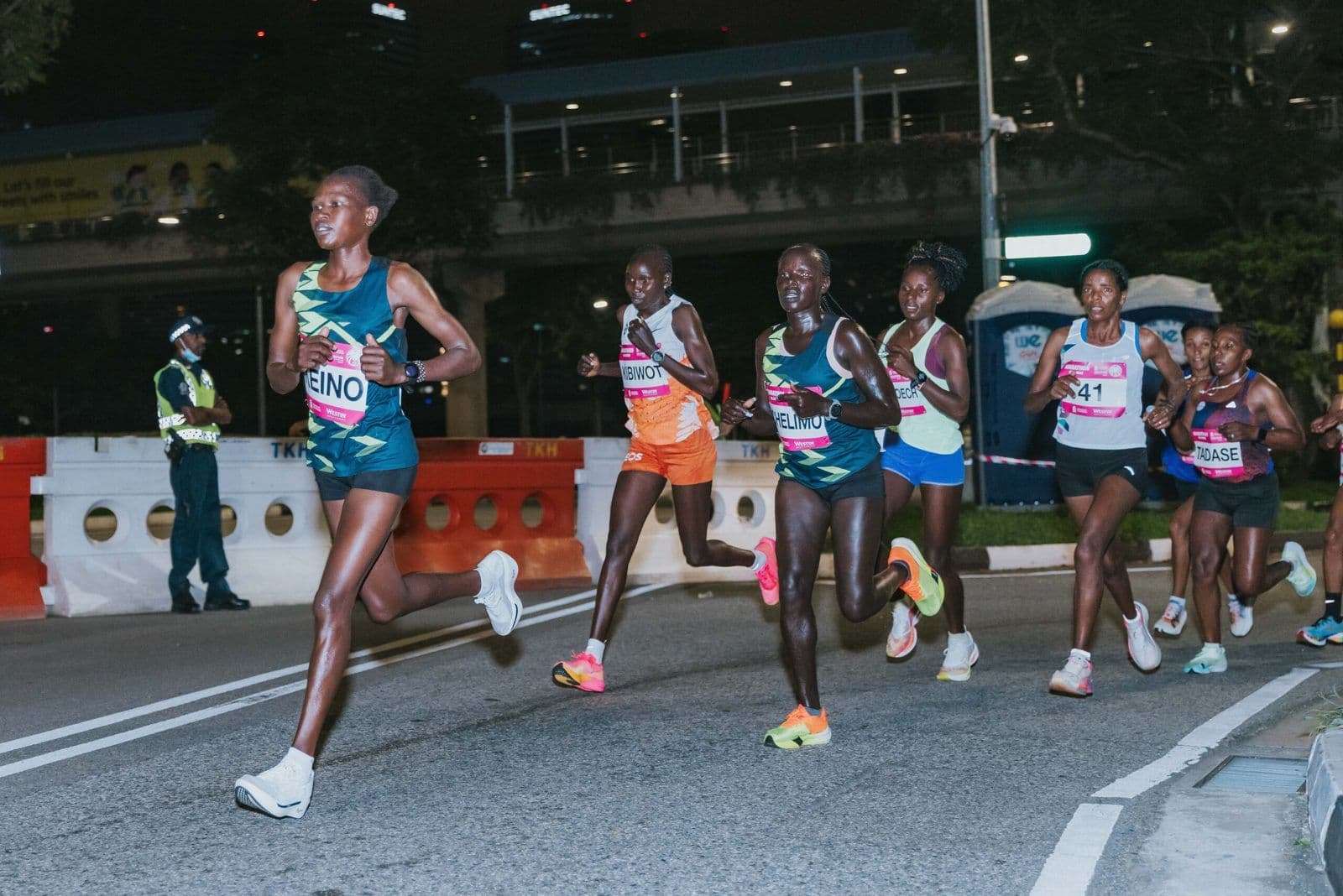
Conventional wisdom says you slow down after 30. Singapore's marathon data says the opposite for the distance that matters most: men in their 40s were the fastest age group, and the runners who stay fast are the ones who stayed strong.
TL;DR
- Men in their 40s were the fastest marathon age group, ahead of the 20s and 30s.
- The effect is specific to men and to the full marathon; it fades in the half.
- Participation roughly halves every decade, so the fast 40s are a filtered group.
- Staying fast into your 40s is mostly about staying in the sport, and strength is what keeps you there.
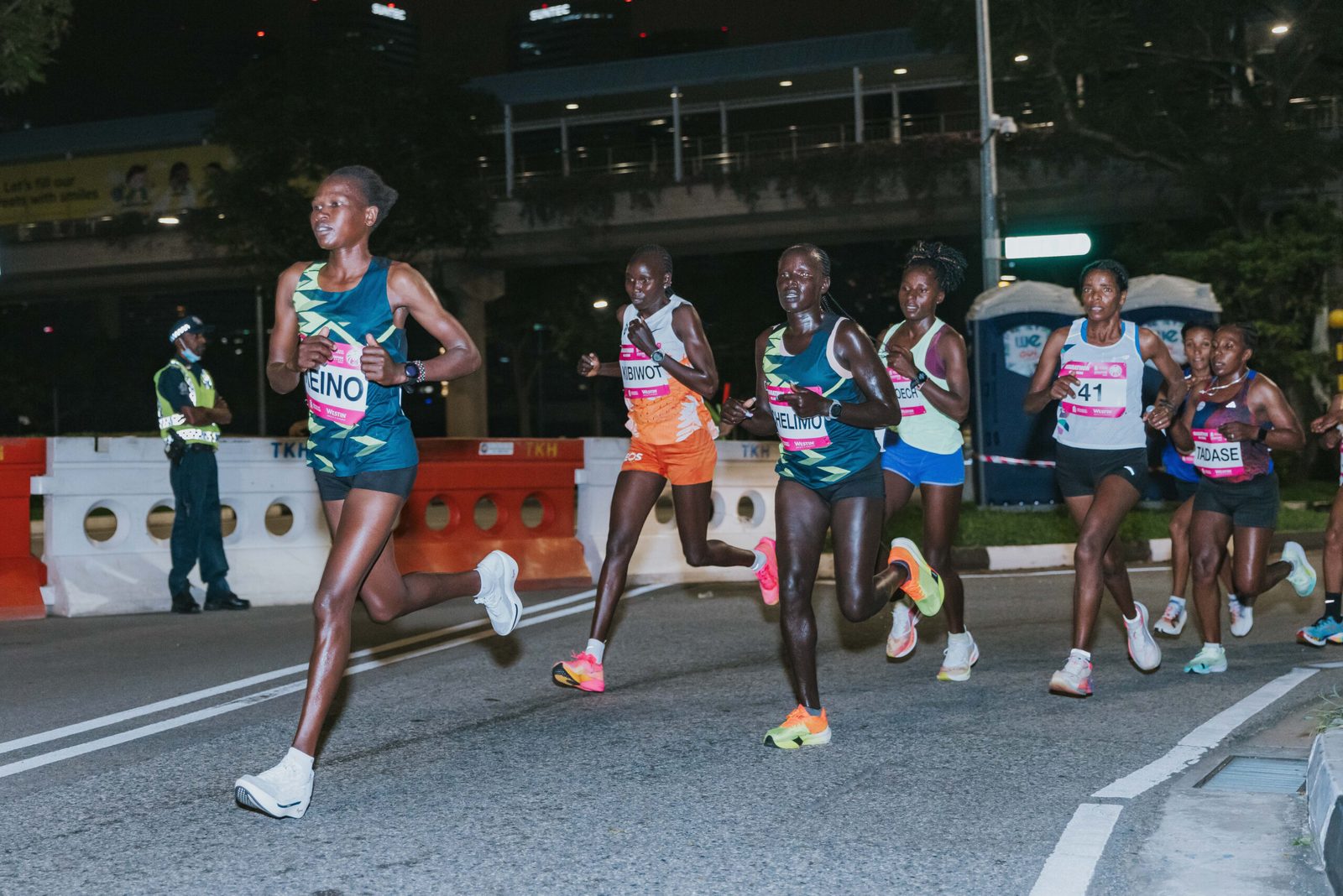
Based on 23,602 official finish times from Singapore's 2025 marathon and half marathon. Every finisher, not a sample.
The 40s are the fastest, not the 20s
Here is the median marathon time by age for Singaporean men and women in 2025.
| Age | Men median | Women median |
|---|---|---|
| 20-29 | 5:23:14 | 5:38:04 |
| 30-39 | 5:10:10 | 5:21:01 |
| 40-49 | 5:09:14 | 5:28:04 |
| 50-59 | 5:22:55 | 5:34:54 |
| 60-69 | 5:48:37 | 5:50:48 |
Read the men's column. The fastest median belongs to the 40s, a full 14 minutes ahead of the 20s. One honest note, and it is why we never bunch the genders: this is a men's effect. Women in their 40s ran about the same median as women in their 20s.
Why the effect only shows up at 42km
The age advantage is a marathon story, not a running story in general. Look at the same Singaporean men across both distances.
| Age | Half median | Marathon median |
|---|---|---|
| 20-29 | 2:34:32 | 5:23:14 |
| 30-39 | 2:30:41 | 5:10:10 |
| 40-49 | 2:32:40 | 5:09:14 |
| 50-59 | 2:36:21 | 5:22:55 |
| 60-69 | 2:53:40 | 5:48:37 |
In the half marathon the age groups are almost level, and the 20s are right there with the 40s. It is only when the distance stretches to 42km that the 40s pull clear. That points at what changes with training age: not top-end speed, but the ability to pace, fuel and hold form when the race gets long.
The real reason: who is still running
The most important table here is not about times at all. It is about how few people are still running as they age.
| Age | Men running the marathon | Share of the 20s |
|---|---|---|
| 20-29 | 1,969 | 100% |
| 30-39 | 2,264 | 115% |
| 40-49 | 1,737 | 88% |
| 50-59 | 913 | 46% |
| 60-69 | 252 | 13% |
Participation peaks in the 30s, then roughly halves every decade. By their 60s, only one man runs the marathon for every eight in their 20s. The 40s look fast partly because the people still there are a filtered group: the ones who trained consistently and did not drop out.
What holds pace as you age
The answer is the thing most runners neglect: strength. After 40, adults lose muscle and power steadily unless they train to keep it, and that loss is what eventually slows a runner and raises injury risk.
Strength training pushes back on both. It reduced overuse injuries by roughly half, and improves running economy so you hold pace for less effort. The runners still setting personal bests in their 40s are, almost without exception, the ones who kept lifting.
That is the side of training we build with runners at Catalyst. Start with personal training for runners in Singapore, or read the full 2025 study.
Frequently asked questions
Q. Do you get slower at running as you age?
Not as early as most people think. In Singapore's 2025 marathon, men in their 40s were the fastest age group. Pace does decline eventually, but the bigger factor is whether you stay in the sport. The runners who keep training and stay injury-free hold their pace well into their 40s and beyond.
Q. What is the best age to run a marathon?
For men in Singapore's data, the 40s produced the fastest median times, likely because marathon performance rewards years of pacing and endurance experience. Plenty of people run their fastest marathons in their late 30s and 40s.
Q. Why do the 40s beat the 20s in the marathon but not the half?
The marathon rewards durability, pacing and fuelling, which improve with training age. The half is short enough that raw speed keeps the younger groups competitive. The age advantage grows with distance.
Citations
Lauersen JB, Bertelsen DM, Andersen LB (2014). The effectiveness of exercise interventions to prevent sports injuries: a systematic review and meta-analysis of randomised controlled trials. British Journal of Sports Medicine, 48(11), 871-877. doi.org