
The Edit · Founder Insights
Why Runners in Singapore Need Strength Training
Strength training cuts a runner's overuse injuries by roughly half and improves running economy. Here is why Singapore runners should lift, and how.
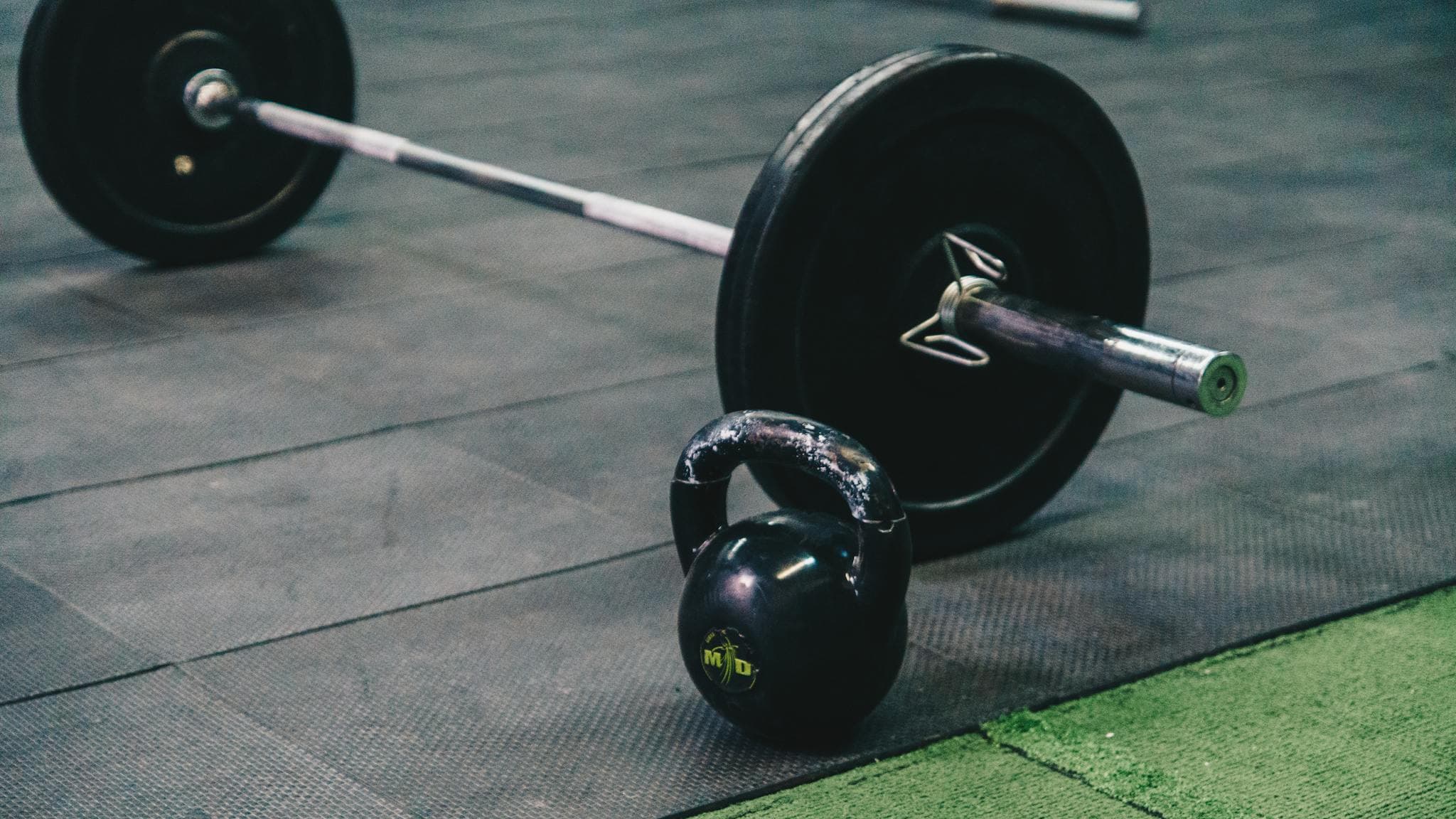
Strength training is the single most effective thing a runner can do to stay healthy, and it makes you faster as a bonus. The evidence is unusually clear: adding strength work cuts overuse running injuries by roughly half, and it improves running economy, the energy cost of holding a given pace. For runners in Singapore who log the miles but skip the gym, it is the highest-return hour in the training week.
Runners re-injure because they come back when the pain leaves, not when the strength returns: a good physiotherapist settles the acute flare, and our structured injury rehabilitation then rebuilds the load tolerance so it stops recurring.
TL;DR
- Strength training reduces overuse sports injuries by roughly half, with a clear dose-response, making it the most effective injury-prevention measure there is.
- It also improves running economy, so you use less energy at the same pace, without adding meaningful body mass.
- Strength training for runners means heavy compound and single-leg work twice a week, not high-rep circuits.
- The fear that lifting makes runners heavy and slow is not supported by the evidence.
- The starting point is knowing your own strength and left-right asymmetry, which is what the Catalyst assessment measures.
Singapore is full of committed runners. The Standard Chartered Singapore Marathon alone draws more than 55,000 entries a year, and the Park Connector Network is busy before dawn every day. What most of those runners share is a training week that is almost all running and almost no strength work, usually because they were told that running is the training and the gym is optional.
It is the wrong way round. Running builds your aerobic engine, but it does little to build the tissue robustness that keeps you running, and on its own it slowly makes you better at being inefficient. Strength training is what closes both gaps. This is the prevention thesis that runs underneath our whole guide to the most common running injuries in Singapore, and here is the case for it in full.
Strength training halves your injury risk
Start with the finding that should change how every runner trains. In a 2018 meta-analysis in the British Journal of Sports Medicine, Lauersen and colleagues found that strength training reduced overuse sports injuries by roughly half, and acute injuries to under a third, with a clear dose-response. More strength training meant fewer injuries. Critically, strength training outperformed stretching and proprioception work as a standalone prevention measure.
The mechanism is load tolerance. Running is repetitive impact, and an overuse injury is what happens when that impact outpaces the tissue's capacity to absorb it. Strength training raises that capacity directly: it builds stronger tendons with greater stiffness, more resilient muscle, and denser bone, so the same training mileage lands inside the tissue's tolerance instead of beyond it. Nearly every injury in the running guide, from runner's knee to Achilles tendinopathy to shin splints, is a load-tolerance failure that strength work addresses at the root.
This is why we treat strength as non-negotiable for runners, not as optional cross-training. A runner who lifts twice a week is not just a stronger runner, they are a far less injury-prone one, and an injured runner does not train at all.
It makes you a more economical runner
The second reason is performance, and it surprises people. Running economy is the amount of oxygen, or energy, you burn to hold a given pace, and it is one of the best predictors of distance-running performance. Two runners with the same VO2 max can finish minutes apart over a half marathon if one is more economical than the other. Training for December specifically? The 12-week marathon plan shows exactly where these sessions sit in the week.
Strength training improves running economy. A 2018 systematic review in Sports Medicine by Blagrove and colleagues, covering 24 studies of trained middle- and long-distance runners, found that adding heavy or explosive strength training improved running economy without harming, and sometimes improving, other performance markers. The gains come from neuromuscular adaptations, a stiffer, more efficient stride and better force production, not from added mass.
That last point matters because it dismantles the most common objection. Done as a runner should do it, strength training improves your stride economy and leaves your body mass essentially unchanged. You get the efficiency without the weight.
What strength training for runners actually means
The phrase trips runners up because they picture either a bodybuilding session or an endless circuit of light, high-rep exercises. Neither is right. Strength training for runners means lifting heavy enough to build genuine strength, on a small number of high-value movement patterns, twice a week.
In practice that is compound lower-body strength like squats and hip hinges, a lot of single-leg work because running is a single-leg sport, dedicated posterior-chain work for the glutes and hamstrings, and calf strengthening for the lower leg and Achilles. The loads are meaningful and the rep ranges are moderate, because the goal is strength and tendon adaptation, not fatigue. A 45 to 60 minute session twice a week is enough for most runners to get the full injury and economy benefit.
The fear that this makes you heavy and slow is the myth that keeps runners out of the gym, and the evidence does not support it. We took the myth apart in detail in our guide on whether lifting heavy changes your body the way people fear, written for women and runners specifically. The short version: building visible size takes a volume and a caloric surplus that runner-appropriate strength training never approaches.
Why most runners skip it
If the case is this strong, why do so many runners still skip it? Three reasons, in our experience. The first is time: the training week feels full of running already, and strength looks like an extra cost rather than a multiplier. The second is the heaviness fear above. The third, and most common, is simply not knowing what to do, so the gym becomes a vague, low-confidence part of the week that quietly gets dropped.
The fix for all three is the same: a small, specific, twice-weekly programme that fits around the running rather than competing with it. Strength sessions go on easier running days or after a key run, never the day before a hard session, so they support the running calendar instead of fighting it. Done that way, two focused hours a week is the entire investment, and it is the best-value time a runner spends.
Where to start
The mistake is starting with a generic programme. The right starting point is knowing your own numbers, because the strength work that prevents injury is the work that targets your specific weakness, not a template's. A runner with a large left-right asymmetry needs different priorities from one who is symmetric but globally under-strong.
That is exactly what our 4-Pillar Healthspan Assessment measures: your strength, your single-leg stability, and your side-to-side asymmetry on the Y-Balance Test, the same screen we use for runners across the whole running injuries guide. We explain it in our guide to the Y-Balance Test. The biggest gap it surfaces is where your strength programme should start. From there it is a matter of consistency, and a coach to keep the loading honest.
For a runner, two focused hours of strength a week is the highest-return time in the training calendar, both for staying healthy and for running faster.
Frequently asked questions
Q. Does strength training really make you a faster runner?
Yes, primarily by improving running economy, the energy cost of holding a given pace. A 2018 Sports Medicine review of trained distance runners found that heavy and explosive strength training improved running economy without adding meaningful body mass. The gains are neuromuscular: a stiffer, more efficient stride and better force production. Two runners with the same aerobic fitness can finish minutes apart over a half marathon based on economy alone.
Q. How many days a week should a runner strength train?
Twice a week is enough for most runners to get the full injury-prevention and running-economy benefit. Each session is 45 to 60 minutes of heavy compound and single-leg work, not a long high-rep circuit. Schedule strength on easier running days or after a key run, and avoid the day before a hard session, so the strength work supports the running calendar rather than competing with it.
Q. Will lifting weights make me too heavy to run well?
No. Building visible size requires a training volume and a caloric surplus that runner-appropriate strength training never approaches. Done correctly, with heavy loads on a few key patterns twice a week, strength training improves your stride economy and leaves your body mass essentially unchanged. The fear of getting heavy is the single most common reason runners skip the gym, and it is not supported by the evidence.
Q. What strength exercises are best for runners?
The highest-value patterns are compound lower-body lifts like squats and hip hinges, single-leg work such as split squats and step-downs because running loads one leg at a time, posterior-chain work for the glutes and hamstrings including Nordic curls, and calf strengthening for the lower leg and Achilles. The specific priorities depend on your weaknesses, which is why an assessment that measures strength and left-right asymmetry is the right starting point.
Running builds your engine. Strength training builds the chassis that engine runs in, and without it the miles slowly wear the runner down. Two focused hours a week roughly halves your injury risk and makes you measurably more economical, which is the rare training change that protects you and speeds you up at the same time. The full picture of the injuries it prevents is in the running injuries guide.
The 4-Pillar Healthspan Assessment maps your strength and your left-right asymmetry so your training starts from your actual weakness, not a template. Sixty minutes in studio. Four pillars measured. A written report you take home. Book the assessment, read more about personal training for runners in Singapore, or see how our 1:1 personal trainer in Singapore programmes are built.
Citations
The twice-a-week heavy compound plus single-leg protocol above is the structure our runner-coaching programme at Catalyst is built around. Y-Balance Test on the first session, asymmetry-led programming second, anchored on Jeremy Soh (25+ marathons, 3 HYROX podiums). If you race HYROX, our guide to training for HYROX in Singapore applies that strength work to the race.
- Lauersen JB, Andersen TE, Andersen LB. Strength training as superior, dose-dependent and safe prevention of acute and overuse sports injuries: a systematic review, qualitative analysis and meta-analysis. Br J Sports Med. 2018;52(24):1557-1563. pubmed.ncbi.nlm.nih.gov
- Blagrove RC, Howatson G, Hayes PR. Effects of strength training on the physiological determinants of middle- and long-distance running performance: a systematic review. Sports Med. 2018;48(5):1117-1149. pmc.ncbi.nlm.nih.gov
- Plisky PJ, Rauh MJ, Kaminski TW, Underwood FB. Star Excursion Balance Test as a predictor of lower extremity injury in high school basketball players. J Orthop Sports Phys Ther. 2006;36(12):911-919. jospt.org