
The Edit · Founder Insights
Body Recomposition After 40: Lose Fat While Keeping Muscle
Body recomposition after 40: losing fat and keeping muscle. Protein, resistance training, a slow deficit. The healthspan alternative to transformation.
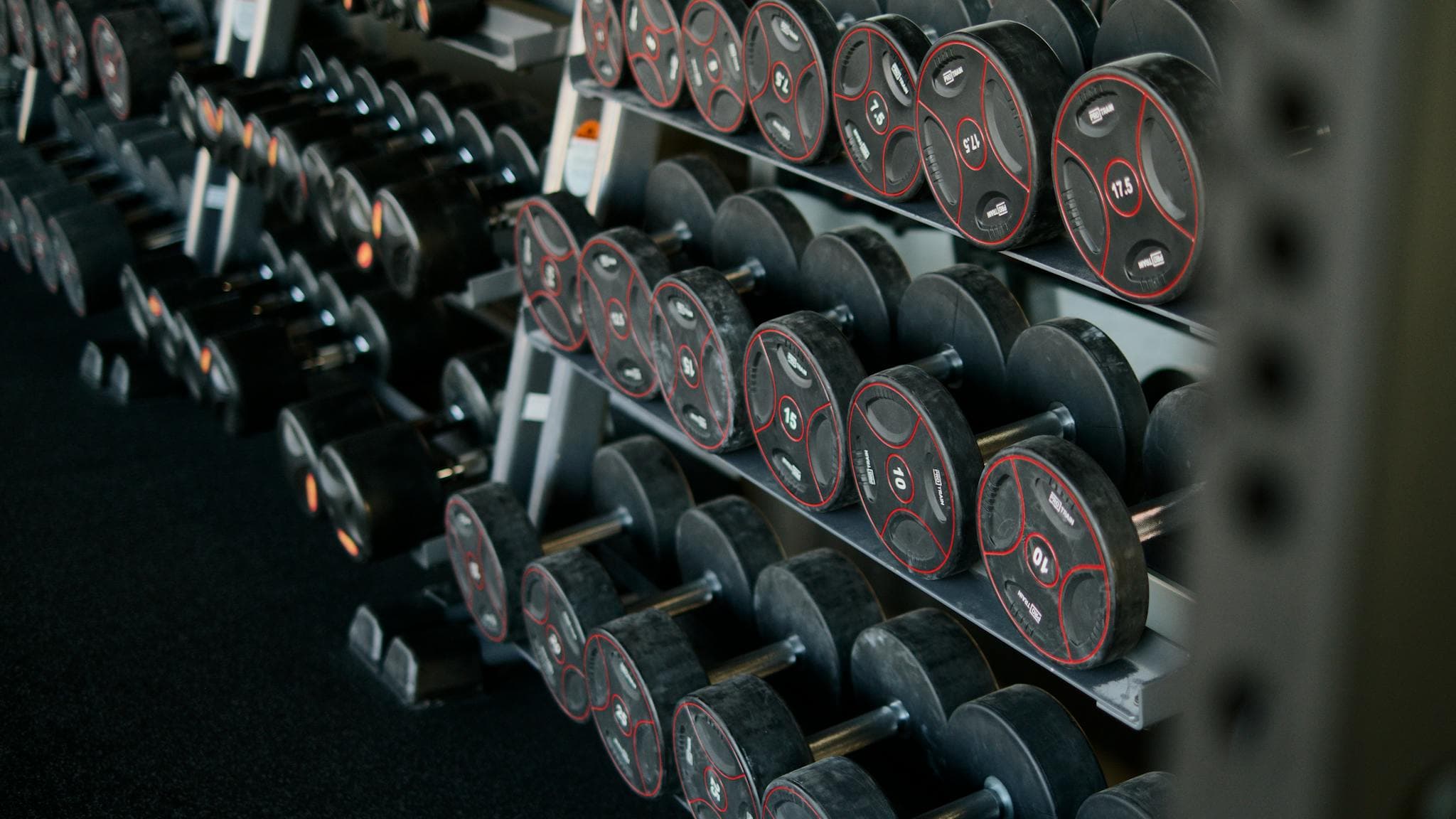
Body recomposition after 40 is the deliberate practice of losing fat and gaining (or at minimum preserving) skeletal muscle in the same training window. It is the healthspan-framed alternative to body transformation. The protocol is well established in the exercise-physiology literature and unglamorous in practice: adequate protein, structured resistance training, a modest caloric deficit, and enough cardiovascular work to support the metabolic adaptations. Done properly, the 16-week response is a measurable shift in body composition that is durable across years rather than the short-window weight loss that reverses inside six months on a transformation protocol.
TL;DR
- Body recomposition is not the same as fat loss. Fat loss alone reduces body weight, often by reducing both fat and muscle. Recomposition reduces fat while preserving or building muscle, which is the metabolically and clinically meaningful change.
- The largest single barrier to durable body composition change after 40 is sarcopenic obesity: losing weight in a way that reduces muscle, regaining weight as predominantly fat, and ending up worse off than baseline. Transformation protocols structurally produce this outcome more often than they avoid it.
- The protocol that produces real recomposition: protein intake of 1.6 to 2.0 grams per kilogram of body weight per day, two to three resistance training sessions per week, a modest caloric deficit (200 to 500 kcal below maintenance), and two Zone 2 cardiovascular sessions per week. Total time commitment roughly four to five hours per week of training.
- Realistic 16-week trajectory: 3 to 5 kilograms of fat loss, 0 to 1 kilograms of muscle gain (or preservation in adults already at adequate muscle mass), measurable visceral fat reduction on InBody, improvements in WHtR and grip strength. The bathroom scale may move less than the body composition has actually changed.
- The healthspan case for recomposition (not transformation): the change is durable, the trajectory compounds across years, and the underlying physiology improves rather than degrades. A 12-week transformation that reverses by month eight is functionally worse than a 16-week recomposition that holds for a decade.
Why recomposition matters more than fat loss after 40
Body weight on a bathroom scale is the sum of every tissue compartment: muscle, organ tissue, bone, fluid, and adipose tissue. A reduction in body weight does not specify which compartments shrank. The cardiometabolic and healthspan consequences depend entirely on the composition of the change.
Fat loss alone, particularly when produced by a large caloric deficit without sufficient protein and without resistance training, reliably reduces both fat mass and lean mass. The lean mass loss is typically 20 to 40 percent of total weight lost in adults on aggressive deficit protocols without structured training, and a higher proportion in adults over 40 because age-related muscle protein synthesis sensitivity is reduced. The bathroom scale shows a satisfying drop. The InBody scan or DEXA scan shows that 25 to 35 percent of the loss came from skeletal muscle. The cardiometabolic outcome is mixed at best.
Recomposition is the deliberate alternative. The training and nutritional protocol is designed to preserve or grow skeletal muscle while specifically targeting fat tissue. The protocol exists because skeletal muscle and adipose tissue respond to different signals: muscle responds to resistance training plus adequate protein; adipose responds to caloric balance plus the metabolic context that determines fat oxidation. Hitting both signals simultaneously produces the asymmetric response the bathroom scale partially hides.
After 40, the case for recomposition over fat loss strengthens further because the cost of muscle loss compounds. Muscle lost in your 40s is harder to regain in your 50s. Muscle lost in your 50s is harder to regain in your 60s. The Catalyst sarcopenia guide covers the underlying biology. The practical implication: every percentage point of skeletal muscle index you preserve through a body composition change is muscle you will not have to fight to rebuild a decade later.
Do it yourself
Recomposition is a programme, not a guess. The Muscle + Fat Loss Protocol is the 12-week strength-and-protein plan our coaches use, medically reviewed by Dr Luqman Haris, MBBS, written to keep the muscle while the fat comes off.
The sarcopenic obesity trap
Sarcopenic obesity is the body composition pattern characterised by low skeletal muscle mass (sarcopenia) and elevated adipose tissue. The combination is metabolically worse than either condition alone and carries mortality risk substantially higher than the sum of the components. The published meta-analytic literature on sarcopenic obesity in adults over 60 reports hazard ratios for all-cause mortality typically 1.5 to 2.5 times higher than control populations matched for age and BMI.
A 12-week aesthetic transformation that produces sarcopenic obesity within five years is functionally worse than no intervention at all. The trajectory matters more than the photo.
Transformation protocols are structurally prone to producing sarcopenic obesity over the medium term, by mechanism. The 12-to-16-week aggressive caloric deficit reduces fat mass and lean mass simultaneously. The post-protocol return to maintenance (or above) caloric intake, in the absence of continued resistance training at the same intensity, restores adipose tissue substantially faster than it restores lean tissue. The five-year follow-up state in adults who completed multiple aggressive transformation cycles is frequently a body composition with less skeletal muscle and more adipose tissue than the pre-first-transformation baseline. The bathroom scale may read the same; the underlying physiology is worse.
This is the central editorial reason Catalyst built itself around the recomposition framing rather than the transformation framing. The 16-week recomposition protocol produces a smaller short-term change in the bathroom scale than a 12-week transformation does. The five-year and ten-year follow-up state is the inverse: the recomposition protocol typically holds, while the transformation typically reverses with interest.
The protocol
The exercise-physiology and sports nutrition literature converges on four elements that, in combination, produce body recomposition in adults over 40. None is exotic. None is optional.
Protein intake of 1.6 to 2.0 grams per kilogram of body weight per day. Higher than the population RDA (0.8 g/kg/day) because the goal is muscle preservation or growth during a caloric deficit, which is a more demanding nutritional context than maintenance. The Helms 2014 review in the Journal of the International Society of Sports Nutrition and the Longland 2016 trial in the American Journal of Clinical Nutrition both established that protein at the upper end of this range, combined with resistance training, preserves or increases lean mass during caloric restriction in a way that lower protein intake does not. For a 70 kg adult, 1.8 g/kg/day is roughly 125 g of protein daily, distributed across four meals.
Two to three resistance training sessions per week. Heavy compound movements (squat, hinge, press, pull, carry) performed at productive intensity (5 to 12 reps to within 1 to 2 reps of momentary muscular failure on each working set). The full case for this is in minimum effective dose: 3 hours a week, real strength. Resistance training is the primary signal that prevents muscle loss during caloric restriction. Without it, the deficit produces lean mass loss regardless of protein intake.
A modest caloric deficit (200 to 500 kcal below maintenance). Modest, not aggressive. The 1000+ kcal/day deficit common in transformation protocols produces faster weight loss but also produces larger lean mass loss per kilogram of total weight lost. The 200 to 500 kcal/day deficit is the upper end of the range at which research-grade studies show preserved lean mass during fat loss. Slower fat loss, durable result.
Two Zone 2 cardiovascular sessions per week. 45 to 60 minutes at conversational pace. Drives mitochondrial density and fat oxidation capacity (the metabolic context that supports lipolysis and visceral fat reduction). One high-intensity interval session per week is optional and adds modest benefit but is not essential. The training-after-40 framework is in how to improve VO2 max after 40.
Total weekly training commitment: roughly four to five hours. Total weekly meal-planning commitment: roughly two to three hours if you cook most of your own protein, less if you outsource the protein component. The protocol is unglamorous and demanding in execution. It is not a 12-week sprint; it is a 16-week protocol that becomes a maintenance practice.
The realistic 16-week trajectory
Weeks 1 to 4: water weight and glycogen losses dominate the bathroom scale, producing the largest weekly weight drops of the cycle. Body composition changes are modest in this window. Subjective improvements (energy, sleep, recovery) are notable.
Weeks 4 to 12: fat loss accumulates linearly at roughly 0.3 to 0.5 kilograms per week if the deficit is maintained. Lean mass changes are small (preservation in adults at adequate muscle baseline; modest gain in adults starting from sarcopenic or near-sarcopenic baseline). Visceral fat measured on InBody declines more rapidly than total fat (the Vissers 2013 meta-analysis covers this asymmetric response). WHtR moves down measurably.
Weeks 12 to 16: weight loss decelerates as metabolic adaptation reduces maintenance energy requirements. The Catalyst Checkpoint at week 16 typically shows 3 to 5 kilograms of fat loss, 0 to 1 kilograms of muscle gain or preservation, meaningful visceral fat reduction, improved WHtR, and improved cardiorespiratory fitness band. The bathroom scale change is often smaller than the body composition change because muscle preservation offsets a portion of the fat loss in the total number.
Beyond 16 weeks: the maintenance protocol is the more important phase. Adults who return to high-deficit eating or who drop resistance training within six months of completing the cycle typically lose much of the gain. Adults who transition to a maintenance caloric intake (back to maintenance or slightly above) while keeping the resistance training cadence typically hold the body composition change durably. The full Catalyst Checkpoint framework runs every 16 weeks: re-measure, re-programme, repeat.
Why this is not a transformation
Transformation protocols are designed around a 12-to-16-week aesthetic outcome, marketed via before-and-after photography, and optimised for the short-window appearance change. The published before-and-after content is a defensible representation of what happens between week 0 and week 12. It is a less defensible representation of where the same client is at month 18.
Body recomposition is designed around a durable physiological change. There are no before-and-after photographs because the change is measured on instruments (InBody, DEXA, blood markers, grip strength, cardiorespiratory band) rather than on a photograph. The trajectory is slower in the first 16 weeks and faster across years. The client at month 18 has retained the body composition change because the underlying metabolic and muscular adaptations were the actual deliverable, not the short-window appearance.
The two approaches answer different questions. If you want to look a specific way for a specific event in 12 weeks, transformation is the right product. If you want to be metabolically and structurally healthier in your 60s than you are in your 40s, recomposition is the right product. They are not interchangeable. The healthspan case for the second is stronger; the aesthetic case for the first is real but shorter-term. Catalyst chose the second deliberately and has built the studio around it, which is the broader argument in why we did not build another body transformation gym.
Where to start
If you want a banded score across all four healthspan pillars before booking anything, the free Healthspan Audit is a 12-question self-assessment that lands a banded result across body composition, cardiorespiratory fitness, stability, and strength in your inbox in three minutes. The body composition band integrates SMI and WHtR. If you want the precise reading on clinical instruments and a programme built off it, the in-studio 4-Pillar Healthspan Assessment measures all four pillars in 60 minutes and produces the printed Healthspan Report. The Catalyst sustainable fat loss service page covers the programme structure for this specific goal.
Frequently asked questions
Q. Can I do body recomposition without tracking calories?
Most adults can produce a body recomposition outcome without strict daily calorie tracking, by combining adequate protein (the load-bearing variable), resistance training (the structural signal), and a habitual eating pattern that produces a modest deficit (typically smaller portions of carbohydrate-rich foods, minimal liquid calories, and the protein target at every meal). The trade-off: weekly progress is somewhat less predictable than under strict tracking, and the protocol takes 20 to 30 weeks rather than 16 weeks to produce a similar measured change. For most adults the trade is worth it for adherence reasons. Strict tracking is more efficient; non-tracking is more sustainable.
Q. Will I lose strength during the deficit?
In most adults, no, provided protein intake is in the 1.6 to 2.0 g/kg/day range and resistance training is maintained at full intensity. The 200 to 500 kcal/day deficit is small enough that strength training adaptations continue to accrue, particularly in adults who were previously untrained or under-trained. Adults at advanced training age may see modest stalls in working loads during the deficit window; the loads typically resume normal progression once the deficit ends and the protocol transitions to maintenance.
Q. How does this compare to GLP-1 medication for fat loss?
GLP-1 medications (semaglutide, tirzepatide) produce substantial weight loss through appetite suppression and metabolic effects, and they have a clear clinical role for adults with obesity or type 2 diabetes under medical supervision. The catch from a body composition perspective is that GLP-1-induced weight loss without concurrent resistance training and adequate protein intake produces lean mass loss in the 20 to 40 percent range typical of any rapid weight-loss protocol. The published literature on GLP-1 plus resistance training is more recent and consistently shows that the combination preserves lean mass meaningfully better than GLP-1 alone. Catalyst covers the GLP-1 specific training case at strength on GLP-1. The recomposition protocol described above applies whether or not GLP-1 is part of the picture; resistance training and protein intake remain the variables that preserve muscle.
Recomposition only shows up when you measure fat and muscle separately, not on the bathroom scale. For a precise baseline, our guide to an InBody and DEXA body composition scan in Singapore explains which scan reads lean mass most reliably.
Citations
Helms, E. R., Aragon, A. A., & Fitschen, P. J. (2014). Evidence-based recommendations for natural bodybuilding contest preparation: nutrition and supplementation. Journal of the International Society of Sports Nutrition, 11, 20. jissn.biomedcentral.com/articles/10.1186/1550-2783-11-20
Longland, T. M., Oikawa, S. Y., Mitchell, C. J., Devries, M. C., & Phillips, S. M. (2016). Higher compared with lower dietary protein during an energy deficit combined with intense exercise promotes greater lean mass gain and fat mass loss: a randomized trial. American Journal of Clinical Nutrition, 103(3), 738 to 746. academic.oup.com/ajcn/article/103/3/738/4569535
Vissers, D., Hens, W., Taeymans, J., Baeyens, J. P., Poortmans, J., & Van Gaal, L. (2013). The effect of exercise on visceral adipose tissue in overweight adults: a systematic review and meta-analysis. PLoS One, 8(2), e56415. journals.plos.org/plosone/article?id=10.1371/journal.pone.0056415
Cava, E., Yeat, N. C., & Mittendorfer, B. (2017). Preserving healthy muscle during weight loss. Advances in Nutrition, 8(3), 511 to 519. sciencedirect.com/science/article/pii/S2161831322005804